Why LED Display Energy Efficiency Matters Today
LED display products now fill malls, supermarkets, transportation hubs, and exhibition halls. As these displays grow larger and brighter, brands increasingly worry about power consumption and compliance. Therefore, many users ask a common question: Is an LED display a mandatory energy-saving product under Chinese regulations?
This blog explores the answer while explaining how modern energy-efficient LED display solutions reduce consumption and support sustainable development across the digital display industry.
Understanding How China Defines Mandatory Energy-Saving Products
The National Regulatory Framework
China’s mandatory energy-saving product system is based on the Energy Conservation Law and its supporting rules. The framework aims to improve energy use, drive technical progress, and support sustainable economic development.
Products listed in either of the following catalogs fall under mandatory management:
Listed products must follow strict efficiency levels and labeling rules. They also undergo compliance checks to confirm their energy performance.
Why LED Displays Are Not in the Mandatory List
Despite the rapid growth of LED display technology, LED displays are not currently included in either catalog. Therefore, an LED display is not classified as a mandatory energy-saving product under existing policies.
However, this situation does not reduce the importance of energy-efficient LED display engineering. Instead, the market continues to reward brands that provide low-power, high-performance display solutions.
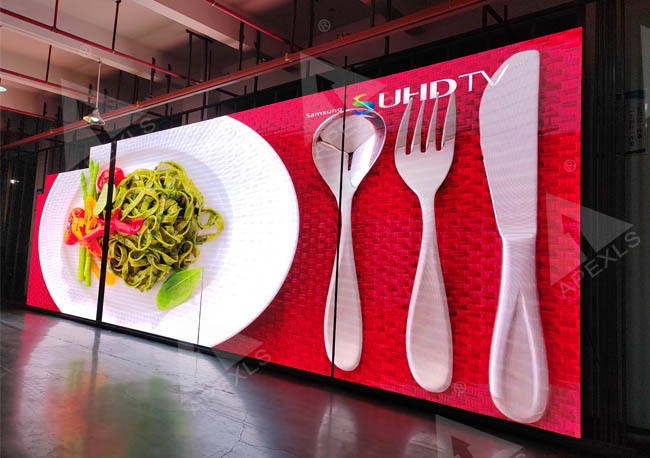
Why Energy Efficiency Still Matters for Every LED Display Project
Encouraging Policies Still Shape Market Behavior
Although LED displays lack mandatory classification, national and local governments still promote energy-efficient technology. Cities encourage low-power displays in public locations, while many regions offer subsidies or tax benefits for energy-efficient LED display installations.
These incentives help expand the adoption of LED display energy efficiency standards, even without compulsory requirements.
Voluntary Certification Enhances Market Trust
Manufacturers may apply for voluntary certifications, including the CQC Energy-Saving Certification. This certification proves compliance with established energy-saving requirements. It also increases product competitiveness and gives buyers reliable decision-making references.
Therefore, many LED display brands choose voluntary certification to strengthen trust and improve their market performance.
Core Engineering Factors Behind Modern Energy-Efficient LED Displays
Efficient Circuit and Power-Management Design
Circuit engineering significantly affects LED display power consumption. Modern displays use:
These designs improve energy conversion efficiency while reducing heat and internal power loss.
Consequently, the LED display consumes less power during long hours of operation.
High-Efficiency LED Lamp Beads and Optical Design
The LED lamp bead is the heart of every display. High-efficiency beads deliver strong brightness at lower current levels. Therefore, engineers can maintain vivid image quality while lowering total energy demand.
Color wavelength planning also matters. Different colors require different energy levels. Properly balancing these wavelengths improves the LED display’s energy performance.
Additionally, an airflow-friendly lamp-shell design supports natural cooling. This airflow management reduces heat buildup without requiring heavy active cooling solutions.
Smart Brightness Control for Dynamic Environments
Brightness consumes a large share of LED display power. Therefore, many energy-efficient LED display solutions include ambient light sensors. These sensors adjust screen brightness in real time.
For example:
These automated adjustments protect visual quality while cutting unnecessary energy use.
Pixel Pitch Planning Improves Both Visual Performance and Efficiency
Choosing the correct pixel pitch for the viewing distance prevents overuse of high-brightness modules. A suitable pixel pitch reduces energy use while improving image clarity. As a result, pixel pitch selection becomes an important engineering choice when designing energy-efficient LED display products.
Market Implications: The Industry Is Moving Toward Low-Power LED Displays
Even though LED displays are not mandatory energy-saving items, the market continues to reward power-saving technologies. Buyers increasingly seek LED display solutions that reduce electricity costs while maintaining strong visual performance.
Government incentives, voluntary certifications, and sustainability goals all accelerate this trend. Therefore, the shift toward green LED display engineering has become a long-term direction in the industry.
Conclusion: Energy Efficiency Defines the Future of LED Display Technology
LED displays are not yet classified as mandatory energy-saving products. However, energy-efficient LED display technology has become essential across today’s markets. Modern engineering choices—such as optimized circuits, smart brightness control, high-efficiency lamp beads, and accurate pixel pitch planning—help reduce power costs and environmental impact.
Therefore, energy efficiency is not only a policy concern. It is a competitive advantage. As the display market expands across public and commercial environments, LED display sustainability will continue to shape brand decisions and long-term industry development.

 CN
CN